

Meaningful, Immersive Travel Experiences: A Guide to Experiential Travel
What Is Immersive Travel?
Immersive travel is a style of travel centered around deeper connection, meaningful experiences, and intentional exploration rather than rushed sightseeing or checklist tourism. Rather than simply visiting a destination, intentional travelers seek to engage fully with the atmosphere, culture, landscape, and emotional rhythm of a place.
Experiential travel asks a different question. Instead of asking what should we see, it asks, how do we want to feel? That philosophy is at the heart of travel based on how you want to feel where the destination becomes secondary to the emotional experience itself.
Instead of choosing a destination first, immersive travelers consider rhythm, landscape, and pace. Instead of booking the most convenient option, they seek the most aligned one.
The result is not simply a trip. It is a memory that lingers long after you return home.
Experience-led travel is not a passing trend. It reflects a larger shift in how travelers relate to movement, place, and meaning.
How Is Experiential Travel Different From Traditional Tourism?
Traditional tourism revolves around logistics and landmarks. It prioritizes efficiency. You arrive, check in, see the highlights, and leave.
This style of travel slows that down.
It values:
- Boutique accommodations over generic hotels
- Cultural neighborhoods over crowded landmarks
- Design-forward cabins over predictable chains
- Eco-luxury retreats over excess
- Immersive travel experiences over rigid itineraries
In traditional tourism, the hotel is simply where you sleep.
In immersive travel, where you stay becomes part of the story.
Around the world, some of the most memorable escapes are designed to blur the line between accommodation and experience itself, much like the 8 epic overnight stays you’ll want to book featured by National Geographic.
A remote mountain lodge becomes the setting for alpine silence.
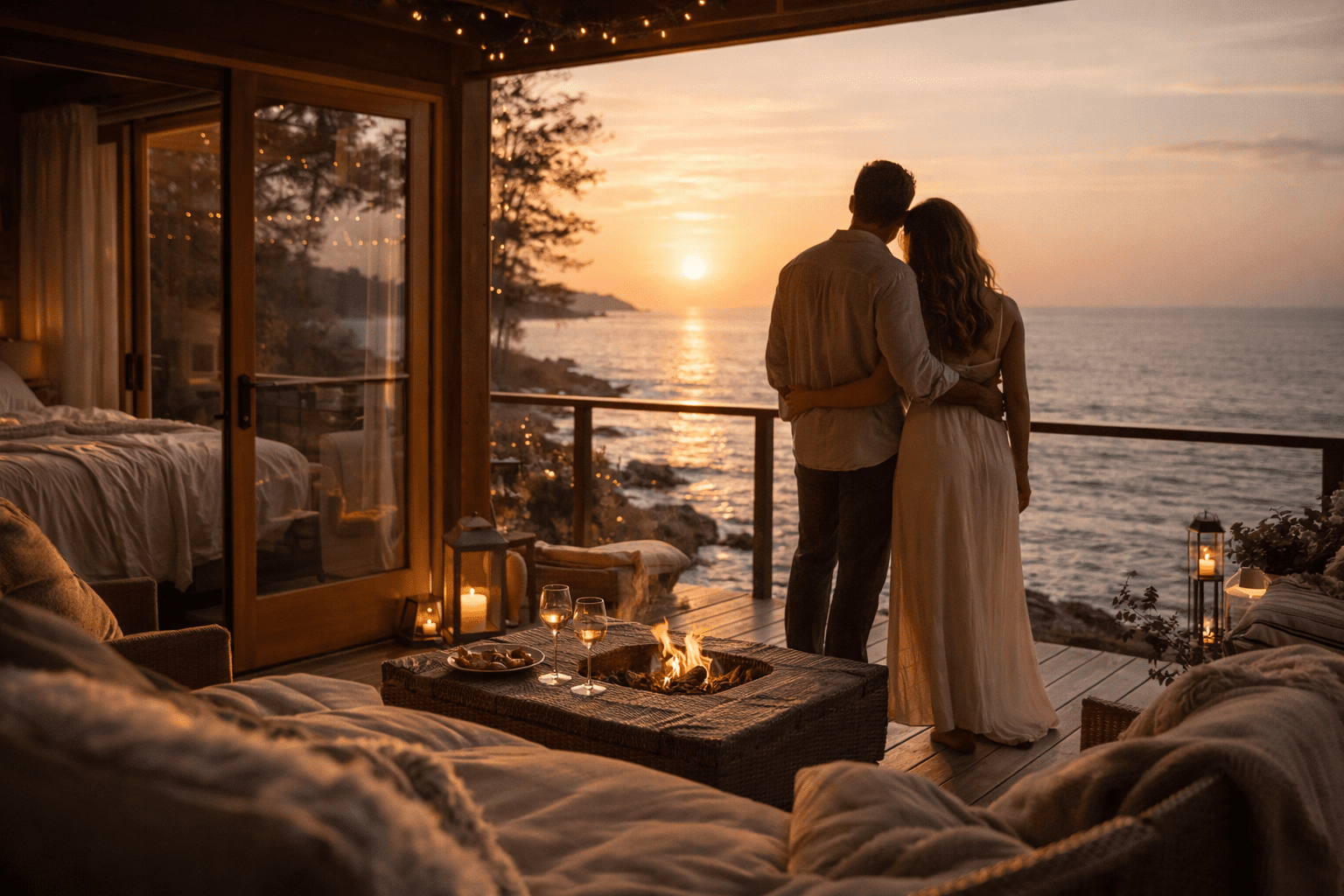
A coastal hideaway becomes the backdrop for slow mornings and endless horizon lines.
A desert retreat becomes a sanctuary for stillness and stargazing.
The landscape is not just scenery. It becomes the experience.
What Is Slow Travel?
Slow travel is a branch of immersive travel that emphasizes depth, presence, and longer stays over rushing between destinations.
Slow travel encourages travelers to:
- Stay longer in one place
- Walk instead of rush
- Shop local markets
- Cook with regional ingredients
- Learn from local hosts
- Prioritize immersion over movement
Rather than checking five cities off a list, slow travel invites you to settle into one.
To notice how the light changes in the afternoon.
To learn the rhythm of a neighborhood café.
To feel the difference between a place visited and a place truly experienced.
Slow travel lowers decision fatigue, reduces burnout, and restores the nervous system. It also deepens connection. Because of this, immersive travel and slow travel often overlap naturally, much like the philosophy explored in Slow, Soulful Travel: 8 Places to Reset, Restore, and Reconnect
What Makes Travel Truly Immersive?
Immersive travel is the act of deeply engaging with a destination’s culture, landscape, and community rather than observing it from the outside.
Immersive travel might include:
- Staying in an independent lodge run by locals
- Participating in regional cooking traditions
- Exploring cultural neighborhoods instead of tourist districts
- Choosing eco-luxury retreats designed to reflect the land
- Spending time in nature-based stays rather than city centers
Immersion means proximity.
It means choosing environments that shape you.
Rather than being insulated from a place, this approach to travel invites you into it.
Transformation happens through depth, not distance.
What Is Quiet Luxury in Travel?
Quiet luxury in travel refers to understated, design-forward, atmosphere-driven stays that prioritize privacy, beauty, and immersion over spectacle. Quiet luxury does not shout. It whispers.
It may look like:
- An architect-designed cabin tucked into the forest
- A remote coastal retreat with panoramic views
- A mountain lodge with minimal branding and expansive silence
- A desert eco-retreat rooted in sustainability
Quiet luxury values:
- Stillness over status
- Space over spectacle
- Depth over display
In this style of travel, luxury is no longer about excess. It is about intention.
It is about waking up somewhere that feels thoughtfully chosen.
What Are Adventure Travel Stays?
Adventure travel stays combine unique accommodations with outdoor experiences that elevate the trip beyond the stay itself.
Examples include:
- A mountain lodge paired with backcountry skiing
- A forest cabin with guided hiking and wildlife viewing
- A coastal hideaway aligned with surf breaks
- A desert retreat paired with stargazing and silence
- A remote eco-lodge near national parks
Meaningful travel does not require adrenaline.
Adventure can be quiet or bold.
It can look like sunrise hikes, cold plunges, or long afternoons kayaking alpine waters.
What defines adventure is not intensity.
It is intention.
Why Is Immersive Travel Growing?
Immersive travel is growing because travelers themselves are changing.
Several forces are driving this shift:
Burnout and Overstimulation
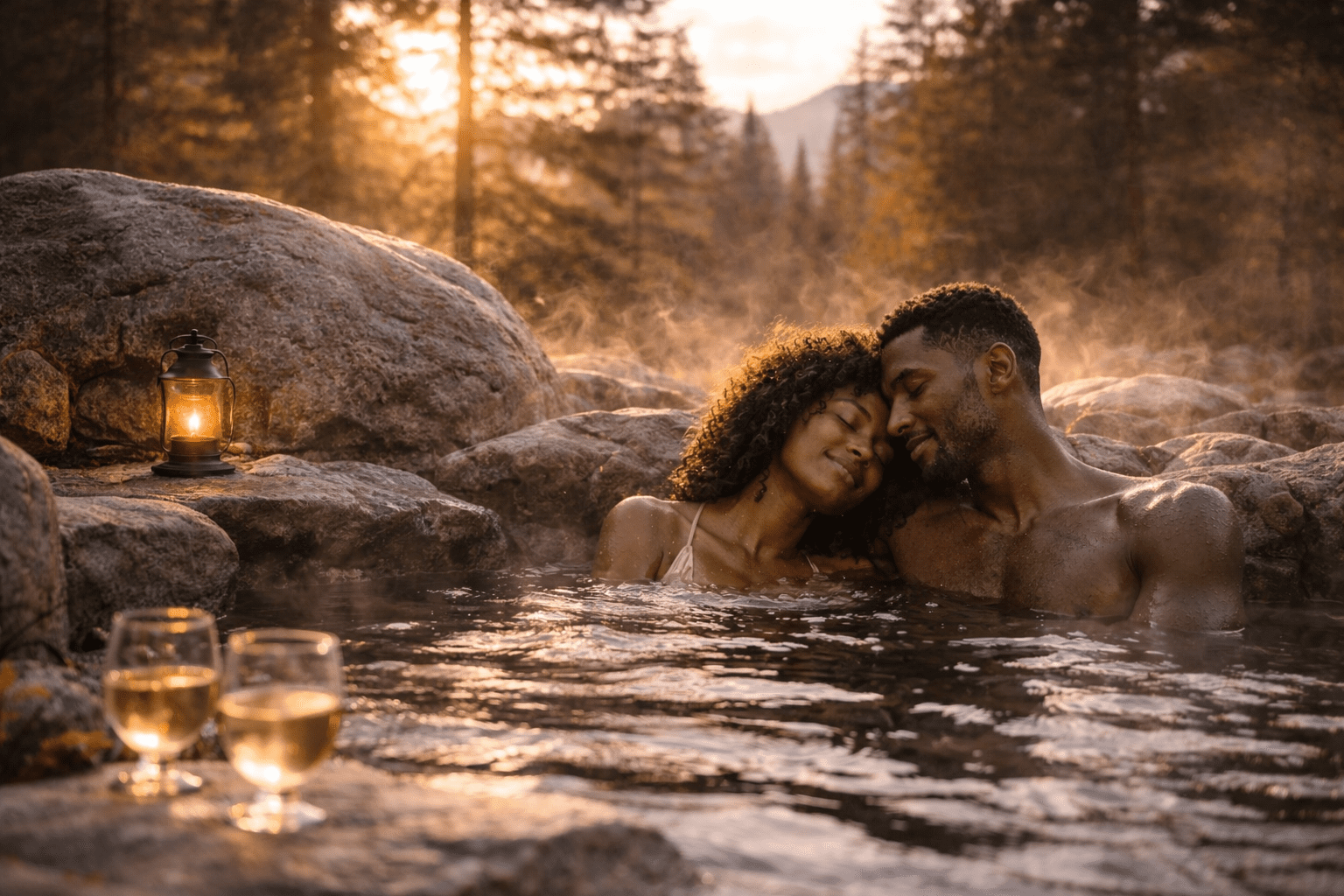
Modern life is loud. Travelers increasingly seek immersive travel experiences that calm the nervous system and reconnect them with nature.
Algorithm Fatigue
Endless scrolling through inventory-heavy booking platforms has diluted discovery. Travelers crave curated recommendations over mass listings.
Cultural Curiosity
Younger generations especially value depth over surface. Meaningful travel experiences feel more authentic than mainstream tourism.
Redefinition of Luxury
Luxury no longer means size or brand recognition. It now means atmosphere, alignment, and thoughtful design.
Memory Over Material
Travelers increasingly prioritize experiences over possessions, which is exactly why The Rise of Experiential Travel: Why People Want Memories, Not Souvenirs continues shaping the way modern travelers book.
The future of travel belongs to those seeking immersion rather than accumulation.
What Makes Meaningful Travel Stand Out?
The most memorable immersive travel experiences tend to share the same qualities.
They:
- Reflect personal intention
- Align with landscape
- Invite presence
- Encourage connection
- Feel thoughtfully chosen
Meaning is not created by scale.
It is created through alignment.
A small forest cabin can feel more profound than a five-star resort when it supports the experience you are seeking.
Meaningful travel begins when the stay, the setting, and the emotional intention belong together.
How Do You Plan Immersive Travel?
Planning intentional travel starts differently.
Instead of choosing a destination first, begin by asking:
- How do I want to feel?
- What type of landscape do I want to wake up in?
- Do I want stillness, movement, or both?
- Do I crave restoration or adventure?
From there:
- Choose a landscape (mountain, coast, forest, desert, city)
- Select accommodations aligned with that environment
- Layer immersive travel experiences that support your intention
- Prioritize alignment over convenience
This transforms travel from transactional to intentional.
Why Unique Places to Stay Matter
Many of the most memorable forms of immersive travel begin with choosing unique stays around the world that shape the experience itself.
These may include:
- Architect-designed cabins
- Eco-luxury retreats
- Independent mountain lodges
- Coastal hideaways
- Desert domes
- Culturally immersive boutique properties
Unlike generic hotels, these accommodations influence the pace, atmosphere, and rhythm of your stay.
In experience-led travel where you stay helps define how the journey feels.
Is Immersive Travel Expensive?
Meaningful travel is not defined by price It is defined by intention.
Some intentional exploration experiences may cost more because of location or design. Others may be beautifully simple. A remote cabin without excess amenities can feel deeply luxurious when it offers stillness, beauty, and immersion.
This kind of travel is not about spending more. It is about choosing more intentionally.
The Future of Immersive Travel
As travelers continue seeking deeper connection, immersive travel will only expand.
We will continue to see more:
- Eco-conscious design
- Direct booking with independent hosts
- Curated travel platforms
- Boutique accommodations
- Landscape-driven architecture
- Meaningful cultural experiences
Travel is evolving from consumption to participation.
From transaction to transformation.
From volume to alignment.
As travelers continue moving away from checklist travel, immersive travel reflects a new definition of discovery—one rooted in feeling, intention, and emotional connection.
Because when travel reflects who you are, how you want to feel, and what you need, it no longer feels random.
It feels chosen. And that is the difference between simply visiting a place and truly experiencing it.