Some places are not just somewhere you stay. They are something you step into. Light, structure, texture, and space come together in a way that changes how you feel the moment you arrive. That is why more travelers are drawn to architectural stays, places where design is not just aesthetic, but experiential.
These stays are not about decoration. They are about intention. Every line, every material, every window is placed with purpose. The most memorable ones feel immersive, thoughtful, and quietly striking. Architectural stays are some of the most unique stays in the world.
Why Architectural Stays Are Redefining Travel
Travel is becoming more curated. Instead of generic accommodations, travelers are seeking out unique stays that feel distinct, intentional, and visually compelling. Design-led stays are leading that shift.
They invite you to:
experience space differently
notice light, texture, and materials
feel connected to the environment
slow down and engage more deeply
This aligns with the rise of experiential travel, where the focus is on how a place feels rather than how much you do.
What Makes an Architectural Stay Stand Out
Not every visually interesting place creates a meaningful experience. The most impactful stays share a few defining elements.
Intentional Design: Every detail feels considered, from layout to materials.
Connection to Landscape: Architecture often reflects or responds to its surroundings.
Use of Light and Space: Windows, angles, and openness shape how the space feels throughout the day.
Emotional Impact: The space changes your mood, not just your environment.
A good example of an architectural stay is Shebara Resort in Saudi Arabia, where design, landscape, and experience come together to create something truly unforgettable.
Types of Architectural Stays Worth Traveling For
Different styles create different emotional experiences.
Minimalist Retreats
Clean lines and open spaces create a sense of calm. They are ideal for:
mental clarity
quiet environments
distraction-free stays
These spaces remove excess and distraction, allowing clarity, stillness, and a deeper sense of presence to take center stage.
Glass and Reflective Structures
These stays create a seamless connection between you and the landscape, where light, reflection, and surroundings become part of the experience. The architecture itself becomes almost invisible at times, allowing the environment to take center stage.
Rather than separating you from the outdoors, these spaces are designed to dissolve that boundary. Glass walls, mirrored surfaces, and open sightlines pull the landscape inward, so you are not just observing nature—you are fully immersed in it.
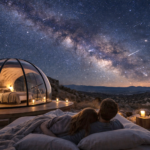
This is especially true in glass cabins for stargazing where the design is intentionally created to frame the sky, turning each moment into an immersive, ever-changing experience. In more extreme environments, this concept evolves even further in architectural glass igloos in Iceland, where the structure disappears almost entirely, placing you directly beneath the northern lights and surrounding landscape.
Desert Architecture
Design in desert landscapes often emphasizes simplicity and contrast. Desert architecture is best for:
expansive views
warm tones and textures
quiet, reflective environments
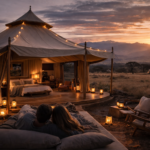
In these environments, simplicity becomes the design language, allowing the landscape itself to shape the experience. This is where architectural stays worth traveling for often stand apart—spaces designed not to compete with the surroundings, but to quietly reflect and enhance them.
Forest and Nature-Integrated Design
These structures blend into their surroundings rather than stand apart from them.
Ideal for:
grounding experiences
immersive environments
slower travel
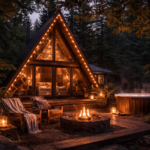
These stays invite you to settle into the rhythm of nature, where the surroundings feel less like a backdrop and more like part of the experience. This same design philosophy can be seen in architectural treehouses that elevate you into the landscape while maintaining a deep connection to it. If that kind of immersive escape resonates, explore some of the best treehouse stays around the world that embrace this nature-integrated approach.Best Treehouse Stays Around the World
Coastal Design Retreats
Architecture near water often emphasizes openness and flow.
Perfect for:
natural light
ocean views
soft, calming environments
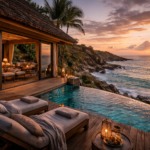
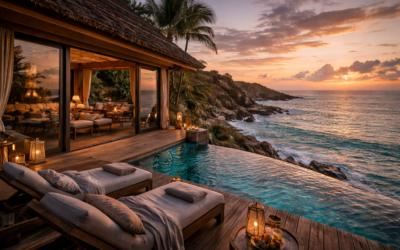
Here, architecture softens into the landscape, creating a sense of ease where light, air, and movement shape the way you experience each moment. This approach is especially evident in architectural coastal retreats designed to frame the ocean and blur the line between indoors and out. If that sense of openness draws you in, explore some of the best coastal stays around the world that embody this design-forward connection to the sea.
How Design Changes the Way You Travel
Staying somewhere thoughtfully designed shifts your awareness in ways you don’t always expect. It’s not just about how a place looks, but how it quietly guides your behavior and attention. You begin to:
- notice light and shadow as they change throughout the day
- move more slowly through space without realizing it
- appreciate materials and textures you would normally overlook
- feel more present, simply because there is less competing for your attention
Good design removes friction. It softens noise, reduces distraction, and creates a kind of visual and emotional clarity. You’re not rushing to fill time—you’re responding to the space around you.
In places like this, you don’t feel the need to constantly do more. You settle in. You linger longer over simple moments. You become more aware of your surroundings, and often, more connected to the person you’re with.
The experience becomes less about activity and more about how you feel within the space—and that shift is often what makes a trip truly memorable.
How to Choose the Right Architectural Stay
The best choice depends on what you are drawn to—and more importantly, how you want to feel while you’re there.
- Do you prefer minimal or expressive design?
- Are you drawn to nature, desert, forest, or coast?
- Do you want bold architecture, or something more subtle that blends quietly into its surroundings?
- Do you want isolation or accessibility?
The answers to these questions shape more than just where you stay. They shape how you move through your day, how you interact with your surroundings, and how deeply you experience the place itself.
Some stays are designed to stand out—to spark curiosity, create contrast, and leave a lasting visual impression. Others are meant to disappear into the landscape, allowing nature to take the lead. Neither is better. They simply create different emotional experiences.
When design aligns with your intention, everything begins to feel more effortless. You are not adjusting to the space—the space is supporting the kind of experience you came for.
Architectural Stays in Remote Locations